There Are No Happy Loves: A Retrospective of Forgotten Films
by Sophie Gertrude Strohmeier
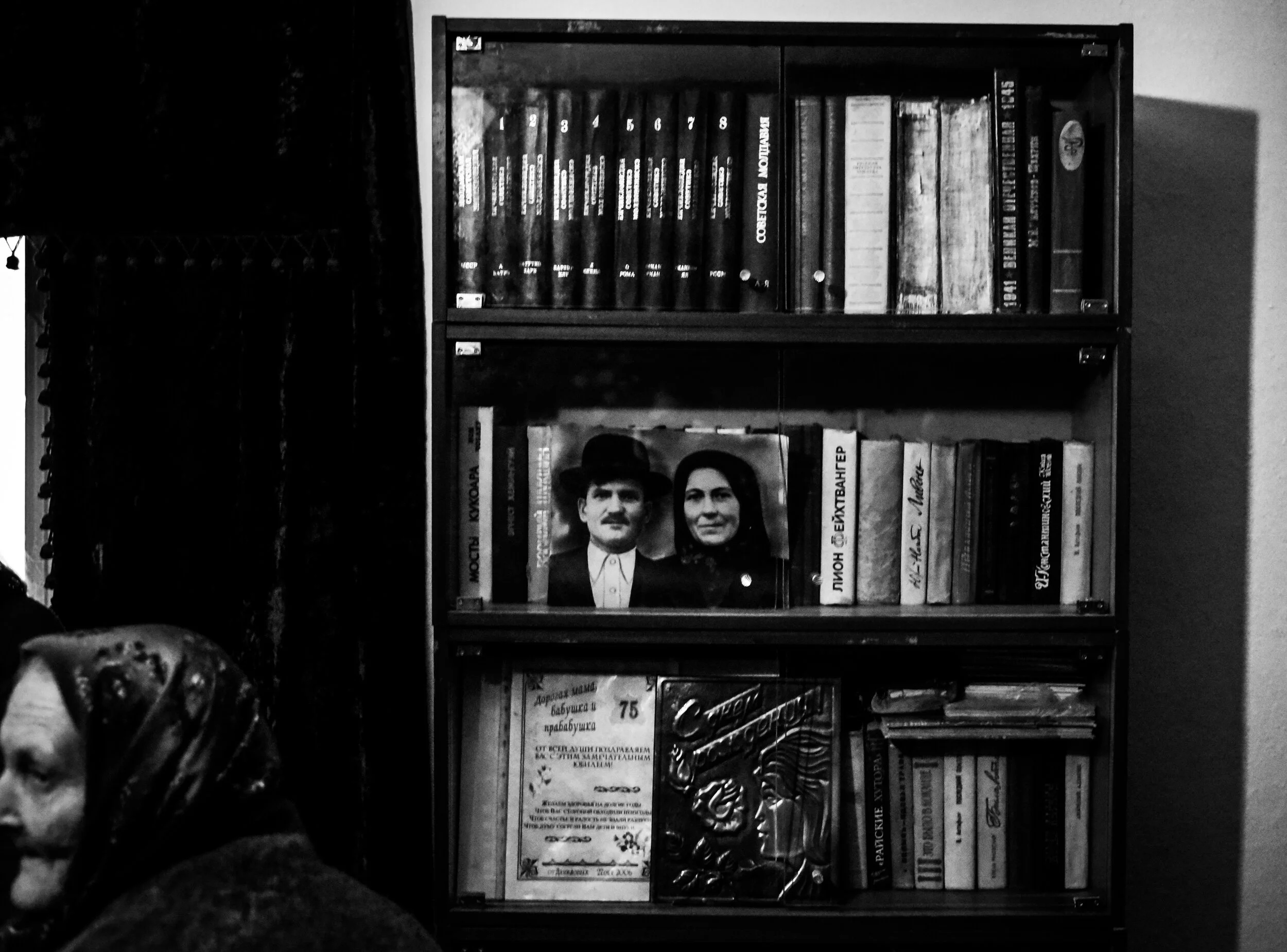
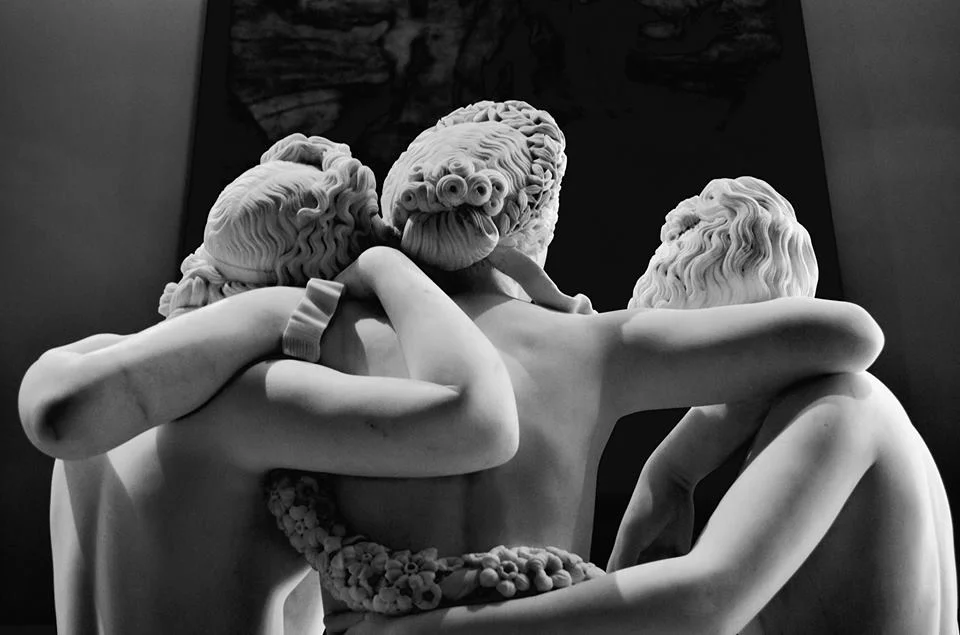
A brief encounter in Brussels at Christmas, then the flight eastwards: a housewife and a shopgirl caught up in an amour fou that will lose itself, unresolved, in a criss crossing of limbs and European landscapes, finally coming to a standstill in Trieste, along the Slovenian border. At the edge of the Western world, one burning question: where do lovers go when all has been escaped from?
Chickens Don't Fly
by Vasyl Makhno
Translated from the Ukrainian by Ali Kinsella
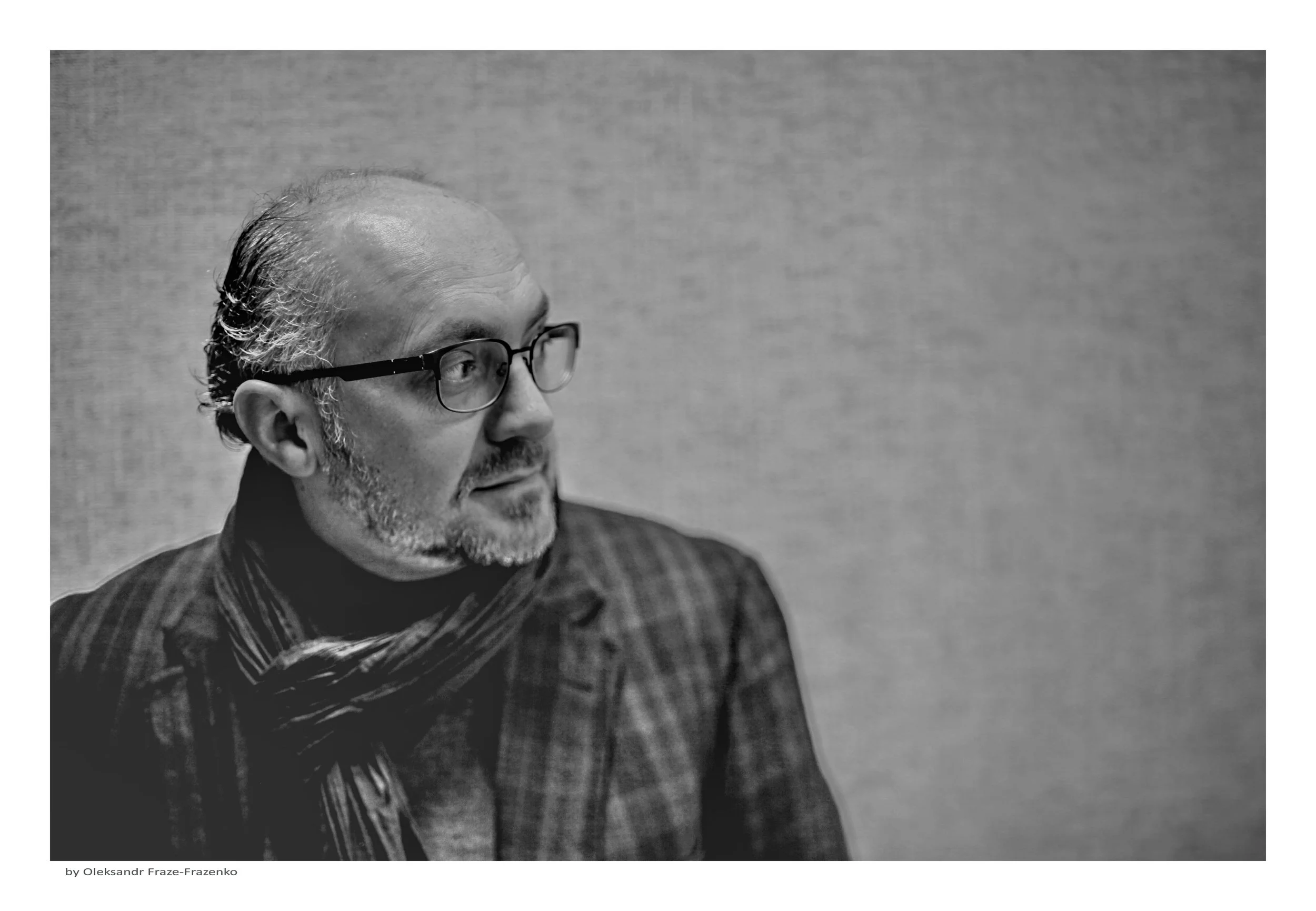
There was a time when the hills of Bazar were the highest and the greenest. And I carried the Dzhurynka River nestled in my shirt like a quail’s egg found in the grass. And the rains came to us like guests on the Intercession; and snow grazed on the banks of the Dzhurynka.

The State of Culture in the Occupied Donbas, or How I Became an Occupier
by Lyuba Yakimchuk
Translated from the Ukrainian by Dmytro Kyyan
I sometimes do things that my friends never do. As a matter of fact, I watch the local news of the occupied Ukrainian territories that these occupiers call "republics," and this looks like some kind of masochism, apparently.

All Empires Collapse
by Andriy Tuzhykov
Translated from the Ukrainian by Dmytro Kyyan.
The Ukrainian People's House in Chernivtsi, where Anna works, is surrounded by three streets: Ukrainian street, Armenian street, and Yakob von Petrovich street, named after the Armenian mayor of Chernivtsi. Sometimes, they simply say Jakob Petrovich street without the prefix “von”, for it makes the democrats get too annoyed, so both versions are used in the various guides, web pages and street conversations. In front of the People's House there is an Armenian church which also serves as a concert hall.

The Festival
by Oleksandr Boichenko
Translated from the Ukrainian by Dmytro Kyyan
In the country of a constantly fierce, although predominantly contrived ideological struggle, Meridian professes the ideology of tolerance. In the country where Russian still remains the language of interethnic communication, Meridian speaks a dozen languages. In the country filled up to the brim with vodka, Meridian promotes a culture of wine consumption.

To Tanja
by Oleksandr Boichenko
Translated from the Ukrainian by Dmytro Kyyan and Zenia Tompkins
Since writers (Kundera, in particular, but long before him: Strindberg, Joyce or Celan, for example) have suggested to critics that a literary work can be composed in accordance with the laws of music, the latter – that is, the critics – began to use, where it was necessary and not, terms such as a "poem-fuga," "drama-sonata," "novel-symphony" and so on.
Sounds of a City
by Kelsey Farish
With neither friends nor family to meet me at the airport, I stumbled out of a black cab and into central London. It was early September, and I was twenty-three. My two old suitcases had barely survived the transatlantic flight, and were refusing to stay still. They continually found themselves in someone else’s way as I navigated through Victoria Station. I was painfully aware of each inelegant fumble I made over cobblestoned pavement and my awkward hesitations at crosswalks, uncertain of which direction to look for oncoming traffic.

Her Name was Elissar
by Raffi Gostanian
Legend has it that Tunisia was founded in the ninth century BC by a woman. Her name was Elissar (also known as Elissa, or Alyssar). The legend goes roughly like this:According to the Greek historian Timaeus, King Belus of the Phoenician Empire of Tyre (modern-day Lebanon) nominated both his son Pygmalion and his daughter Elissar to be his heirs. Pygmalion, however, was a tyrant; he usurped the throne, killing his sister’s husband and forcing her to flee.

Who Owns the Land?
by Olga Morkova
In March of 2014, a few days after Russia’s illegal annexation of the Crimean peninsula, my mother called to warn me against returning home. A new border between Crimea and Ukraine had been established overnight, and tanks were rolling down the street outside of my parent’s house. As a human rights lawyer and pro-Ukrainian activist, she knew that I would be labeled an enemy of the Russian government. I am now a foreigner in my own home. Ukrainian phone lines stopped working in Crimea soon after, and I could no longer call my parents.